Understanding Digestion: How Food Becomes Fuel
A step-by-step educational overview of the human digestive process — from the mechanical breakdown of food in the mouth to the absorption of nutrients in the intestine and the role of gut microbiota.
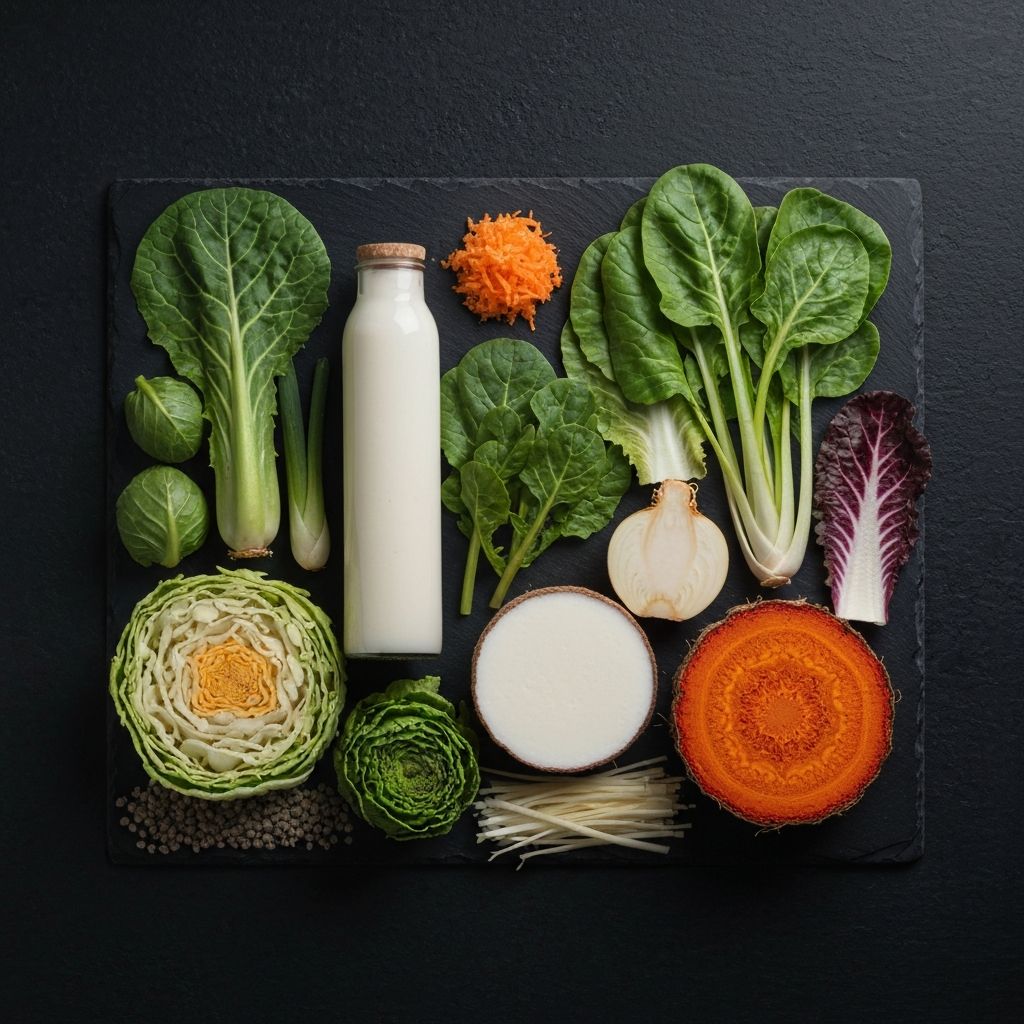
An Overview of the Digestive Process
Digestion is the process by which the body converts food into the nutrients it can absorb and use. It encompasses both mechanical processes — the physical breakdown of food — and chemical processes, involving enzymes and other secretions that dismantlecomplex molecules into their absorbable components. The entire digestive tract spans from the mouth to the rectum, with distinct regions performing specialised functions.
Understanding digestion is fundamental to understanding nutrition, because even the most nutrient-dense food can only benefit the body to the extent that its compounds are successfully broken down, absorbed, and transported to where they are needed.
The Mouth: Mechanical and Chemical Initiation
Digestion begins in the oral cavity. The teeth and jaw mechanically reduce food into smaller particles, increasing the surface area available for chemical processes. Simultaneously, salivary glands produce saliva, which contains salivary amylase — an enzyme that begins the breakdown of starch into simpler sugars. Saliva also moistens food, forming a mass called a bolus, which is swallowed and transported to the oesophagus.
The Oesophagus: Transport
The oesophagus is a muscular tube connecting the throat to the stomach. Food passes through it via rhythmic muscular contractions called peristalsis. No significant chemical digestion occurs here; the oesophagus serves primarily as a conduit. At its lower end, a muscular valve — the lower oesophageal sphincter — controls passage into the stomach.
The Stomach: Acidic Breakdown
In the stomach, food is subjected to further mechanical churning and mixed with gastric secretions. Gastric acid — hydrochloric acid — creates a highly acidic environment that denatures proteins, making them accessible to digestive enzymes. Pepsin, activated in this acidic environment, begins protein digestion. The stomach also produces intrinsic factor, a protein required for vitamin B12 absorption later in the small intestine. The resulting semi-liquid mixture, chyme, is gradually released through the pyloric sphincter into the small intestine.
The Small Intestine: Primary Absorption
The small intestine — divided into the duodenum, jejunum, and ileum — is the primary site of nutrient digestion and absorption. In the duodenum, chyme is neutralised by bicarbonate from the pancreas, which also releases a range of digestive enzymes including lipase (for fats), proteases (for proteins), and amylase (for carbohydrates). Bile, produced by the liver and stored in the gallbladder, is released into the duodenum and emulsifies dietary fats, enabling lipase access.
The intestinal lining is highly folded and covered in finger-like projections called villi, each of which contains further microscopic projections called microvilli. This architecture dramatically increases the surface area available for absorption. Nutrients including monosaccharides, amino acids, fatty acids, vitamins, and minerals are absorbed through the intestinal epithelium into the bloodstream or lymphatic system.
The Large Intestine: Water, Fermentation, and Excretion
Material that is not absorbed in the small intestine passes into the large intestine (colon), where water and electrolytes are reabsorbed. The colon is home to the gut microbiome — a dense and diverse community of micro-organisms. Dietary fibre and resistant starch that resist digestion in the small intestine arrive here and serve as substrates for microbial fermentation.
Fermentation produces short-chain fatty acids — primarily butyrate, propionate, and acetate — that serve as energy sources for colonocytes and interact with intestinal physiology. Gases are also produced as a byproduct. The remaining indigestible material is compacted and ultimately excreted.
Enzyme Function in Digestion
Enzymes are biological catalysts — proteins that accelerate chemical reactions without being consumed in the process. Digestive enzymes are highly specific, meaning each enzyme acts on a particular type of substrate. Amylases act on starch, proteases on proteins, and lipases on fats. The specificity of enzyme action is determined by the enzyme's three-dimensional structure and its active site.
Enzymatic activity is sensitive to pH and temperature. Salivary amylase, for example, functions optimally in the near-neutral pH of the mouth and loses activity in the acidic stomach. Pancreatic enzymes function in the alkaline environment of the duodenum following neutralisation by bicarbonate. This sequential pH variation along the digestive tract is not incidental — it is a precisely coordinated physiological system.
The Gut Microbiome and Digestion
The gut microbiome — estimated to comprise trillions of micro-organisms representing hundreds of species — plays an active role in digestion beyond simple fermentation. Gut bacteria assist in the breakdown of complex plant polysaccharides that human digestive enzymes cannot process. They also produce certain vitamins, including vitamin K2 and some B vitamins, contribute to the metabolism of bile acids, and interact with intestinal immune functions.
The composition of the gut microbiome varies between individuals and is influenced by multiple factors, including dietary patterns, age, geography, and prior antibiotic use. A diverse intake of plant foods — including different types of fibre from vegetables, fruits, legumes, and whole grains — is associated in nutritional research with greater microbial diversity, though individual responses vary.
How Different Foods Affect Digestion
The rate at which food is digested depends on its composition. Foods high in simple carbohydrates are generally digested and absorbed rapidly. Foods containing substantial fibre, protein, or fat take longer to process. The physical structure of food also matters: whole, unprocessed foods typically require more mechanical and enzymatic work than processed equivalents, and their structure may slow the rate of nutrient release.
Fermented foods — such as yoghurt, kefir, sauerkraut, and tempeh — introduce live micro-organisms (where the product has not been heat-treated post-fermentation) and may influence the gut environment. The study of fermented foods and their relationship with gut microbiota is an active area of nutritional research.
Digestion is not a single event but a coordinated sequence spanning multiple organs, each contributing specific mechanical or chemical processes that together transform food into compounds the body can utilise.
Educational Context
This article describes the general processes of human digestion from an educational standpoint. It does not address individual digestive conditions, symptoms, or circumstances, and should not be used to interpret personal health experiences. For any concerns related to digestive function or health, consultation with a qualified healthcare professional is appropriate.
Not a medical product. Always consult a healthcare professional before making any dietary changes.